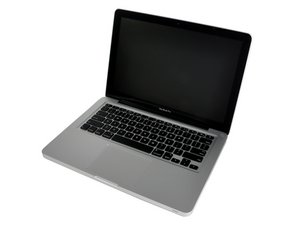

Formatting problem with SSD
Hi. I just came out with the same problem. Brand new ADATA SU800 ssd, though, I'm trying over a Mid-2012 MacBook Pro. Computer works perfectly with the original hhdd. First thing that happened was the computer was able to
'see' it, though, it got stuck while erasing the drive, so I powered it off and put the ssd via USB. SSD works perfectly in my Windows computer. I actually was able to install Mojave over the USB. However, the utility disk doesn't see it when I plug it in the internal connector.
Any advise?
Thanks!
Update (01/28/2019)
Thanks for your reply ! Originally, it came with fat32 I believe. I just took it out of the box it came in, and put it into the macbook. As i described, initial erase didn't go through. Then I put it on my PC to check whether the driver was not bricked and using a partition utility I can do anything I want, like doing FAT32 NTFS partitions, etc. Drive works perfectly.
Whenever I put it in the mac, what I do is Commad+R to go the the disk utility, but it simply doesn't see it. Can I do some format in my PC and then put it into the mac? like ext2/3 ?
Mac is running El Capitan (with the older drive). I as mentioned, I already installed Mojave in the SSD via an USB adaptor. It works flawlessly. But it didn't work when I put it inside the mac.
Alternatively, Can I format it using the USB adaptor, in the El Capitan OS, such that, the mac will see it somehow?
I can see many options If I erase the ssd from disk utility,
thanks!
Is this a good question?

 3.8k
3.8k  1.1k
1.1k  2.6k
2.6k 