Return to the Patagonia Care & Repair homepage.
This article explains the basics of waterproof and water-resistant gear: how it works, how to care for it, and how to know when it needs maintenance or replacement.
🔗 Related guides:
- Wash a Waterproof Jacket
- Test for Water Repellency
- Reapplying Durable Water Repellent (DWR) Coating
- Iron a Waterproof Jacket
- Wash and Dry Patagonia Waders
- Wash and Dry a Patagonia Down Jacket
Waterproof vs. Water-Resistant
An item is considered waterproof when water cannot easily penetrate it. This level of protection is typically achieved through a combination of three key features:
- A waterproof membrane (like GORE-TEX® or H2No®)
- A durable water repellent (DWR) coating on the outer fabric
- Sealed seams that prevent water from entering through stitching
If a garment has only one or two of these features, it’s usually classified as water-resistant. Water-resistant items can handle light rain or splashes but won’t keep you dry in sustained wet conditions.
How Waterproofing Works
1. Waterproof Membrane
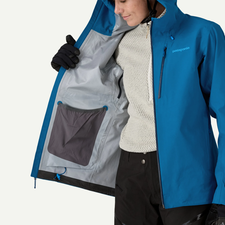
This is a thin, breathable layer laminated to the inside of the fabric. It blocks water from getting through while still allowing moisture vapor (like sweat) to escape.
Membranes are often categorized by layering (1-layer, 2-layer, or 3-layer), which affects durability, weight, and technical use.
Common waterproof membranes include Gore-Tex® and H2No®.
2. Durable Water Repellent (DWR) Coating
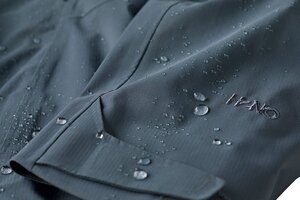
Durable water repellent or DWR is a chemical treatment applied to the outer surface of the fabric that causes water to bead up and roll off instead of soaking in. DWR doesn’t make a garment waterproof on its own. It helps keep the outer fabric dry so the membrane underneath can do its job.
DWR wears off over time due to abrasion, washing, and exposure to oils, so reapplication is essential.
Many different Patagonia® products have DWR coatings for improved performance including Down Sweaters™, Nano Puffs® and even jeans!
🔗 Follow our guide to reapply DWR: How to Reapply Durable Water Repellent (DWR) Coating
3. Sealed Seams
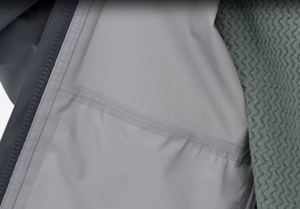
Even with waterproof fabric, water can sneak in through the tiny holes made by stitching.
To prevent this, seam tape or sealant is applied over the seams on the inside of the garment during manufacturing.
Seam sealing is essential for full waterproof protection, especially in high-exposure areas like shoulders, arms, and hoods.
Lifespan of a Waterproof Shell
A high-quality waterproof shell can last 5 to 10 years or more, depending on how often it’s used and how well it’s cared for.
Regular washing is key to longevity. Dirt, sweat, and body oils degrade the fabric and DWR coating over time.
🔗 Learn how to wash your shell: How to Wash a Waterproof Jacket
Periodic DWR reapplication helps maintain water repellency, since DWR coatings wear off with use and washing.
🔗 Follow our step-by-step guide to reapply DWR: How to Reapply Durable Water Repellent (DWR) Coating
Eventually, the internal laminate will begin to peel or flake, a process called delamination. This is a sign that the shell has reached the end of its life. Unfortunately, delamination isn't repairable, and the item should be recycled and replaced.
Care and Maintenance
How Often to Wash
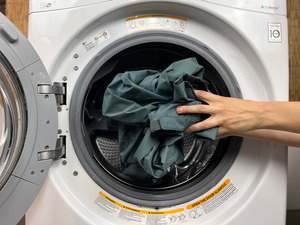
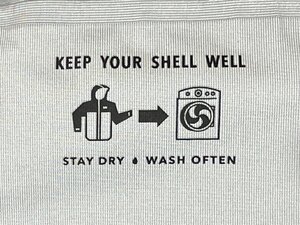
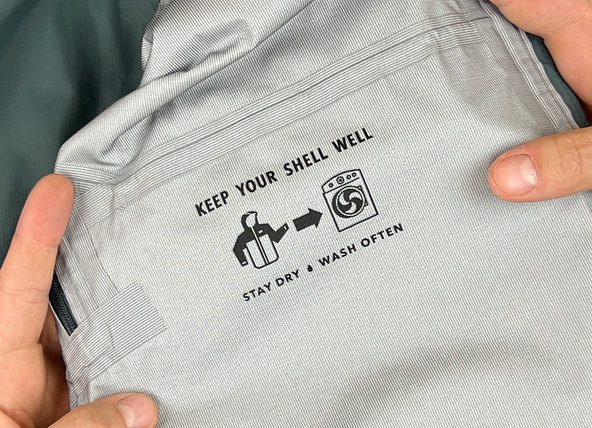
Wash your shell every 10–20 wears, when it’s visibly dirty, and before storing it for the season.
🔗 Learn how to wash your shell: How to Wash a Waterproof Jacket
How Often to Reapply DWR
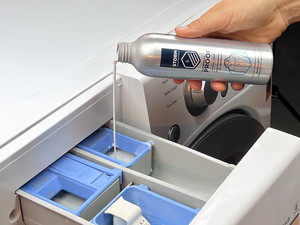
Reapply DWR when water no longer beads on the surface of your jacket. This can vary based on use, but typically every 6–12 months or after every few washes.
🔗 Follow our step-by-step guide to reapply DWR: How to Reapply Durable Water Repellent (DWR) Coating
How to Test DWR Performance
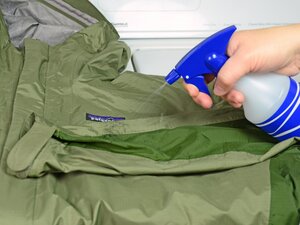
Try the spray test: lightly mist your jacket with water. If the water soaks in rather than beads up, it’s time to reapply.
🔗 See how to test your jacket's water repellency: How to Test for Water Repellency
Using Spray-On DWR
Spray-on treatments are great for targeted reapplication. Follow the instructions on the bottle, which typically include:
- Start with a clean garment, either hanging or laid flat.
- Spray evenly across the outer surface, focusing on high-wear areas like shoulders and sleeves.
- Let the treatment sit for a few minutes.
- Heat-set the DWR in the dryer or with a low-heat iron with a damp cloth barrier.
When DWR Reapplication Won't Help
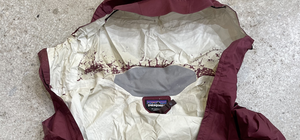
DWR is just the outer layer of waterproof defense. If the internal membrane laminate is peeling or flaking, reapplying DWR won’t restore waterproofness. This means the garment's core waterproof barrier is compromised.
When It's Time to Say Goodbye
If your waterproof shell is delaminating or the seam tape is peeling, it’s likely reached the end of its life. But that doesn’t mean it has to go to waste!
Send it in to Patagonia for recycling.
Even when a shell can’t be saved, its story doesn’t have to end!



0 Comments