Introduction
Follow this guide to replace the thermal pad covering the APU.
The Honeywell thermal phase change interface material (the thermal pad) shouldn't dry out and need to be replaced by itself. However, if you need to remove or replace the heatsink, you can follow this guide to apply a new thermal pad.
What you need
-
-
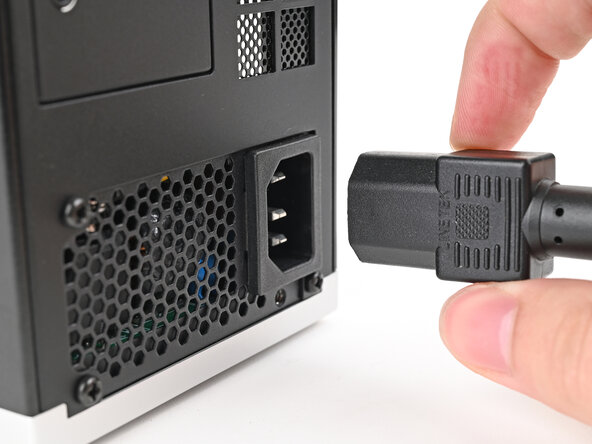
Before you begin repairs, shut down your desktop from the operating system and unplug it.
-
Wait one minute before continuing to allow your Desktop to fully power down.
-
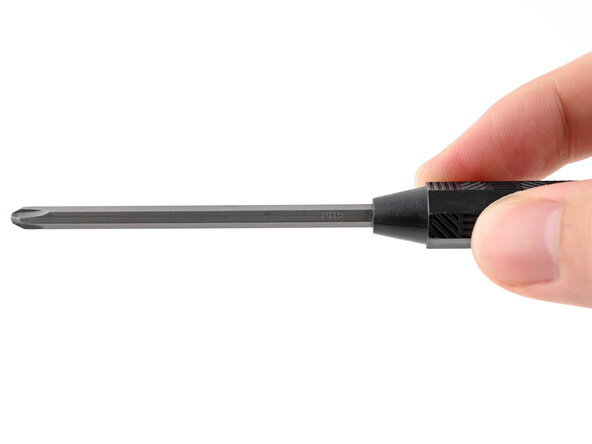
Make sure your Framework Desktop Screwdriver has the Phillips #2 bit (labeled as PH2) facing outwards. If it's not, pull the bit out and flip it.
-
-
-
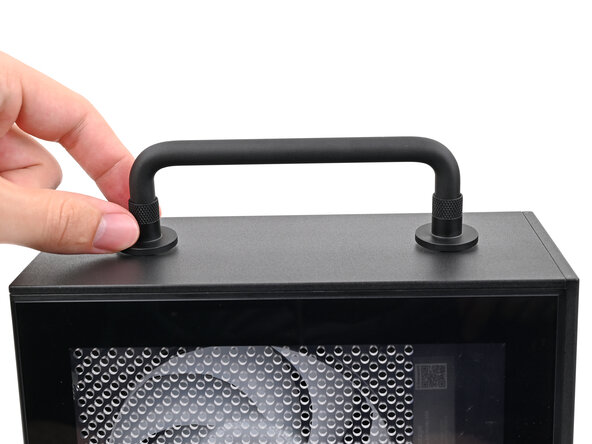
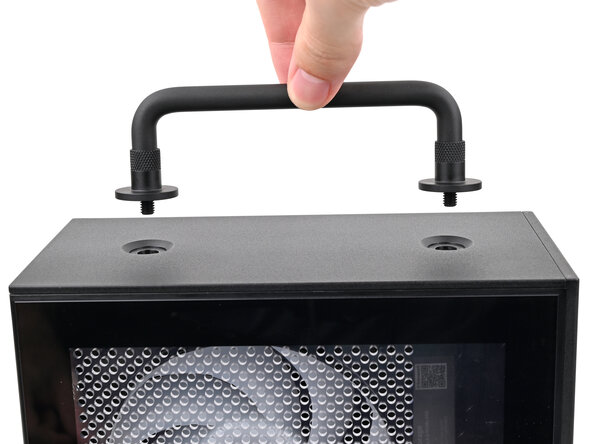
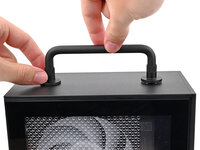
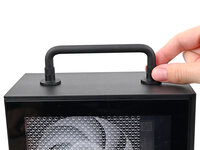
Rotate the Handle's screw threads counterclockwise on both sides until it comes free.
-
Remove the Handle.
-
-
-
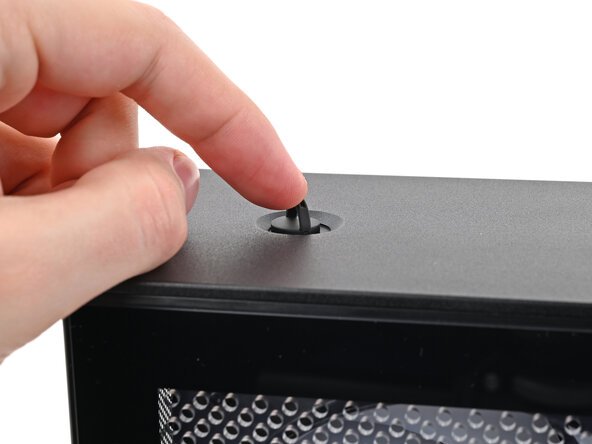
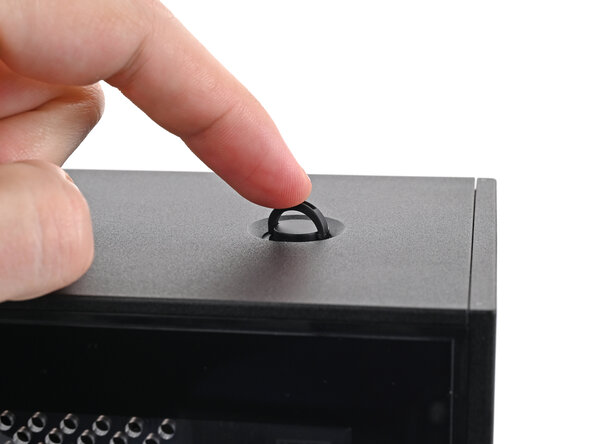
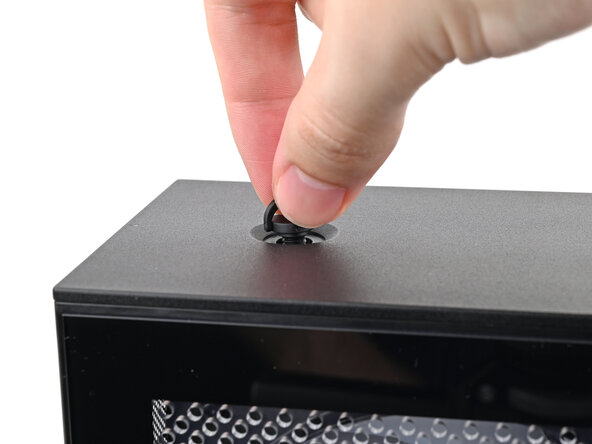
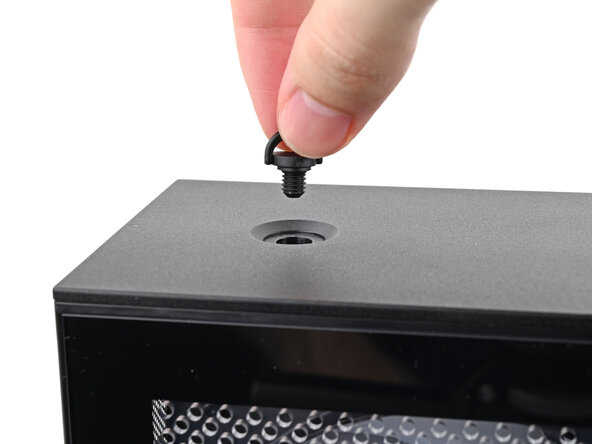
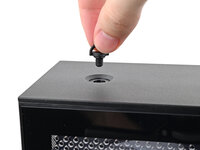
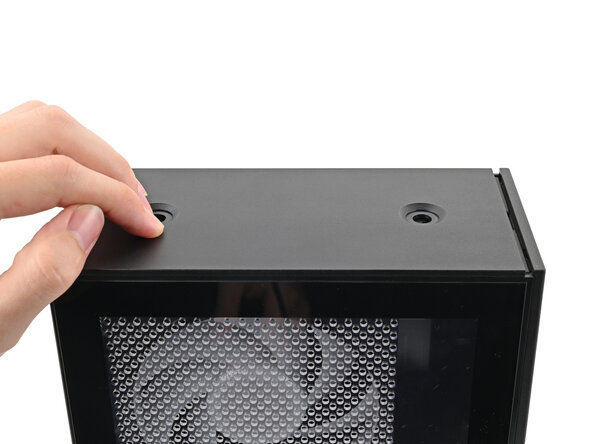
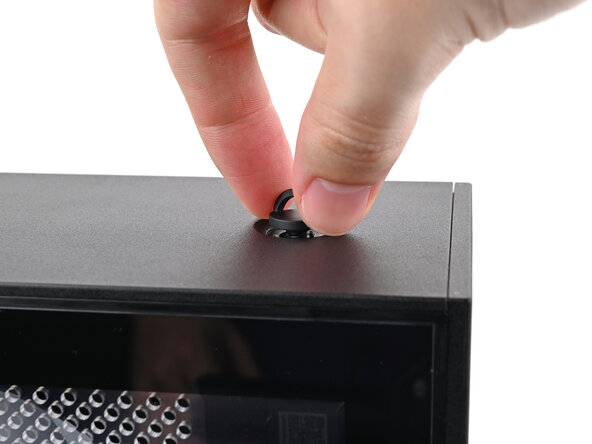
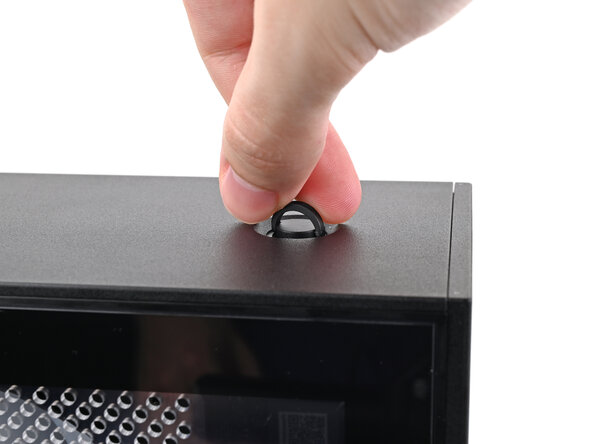
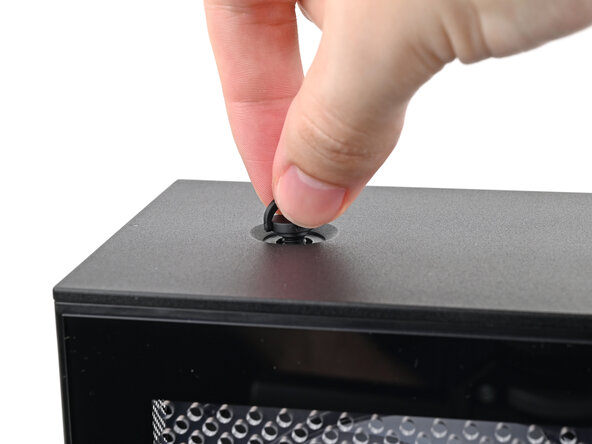
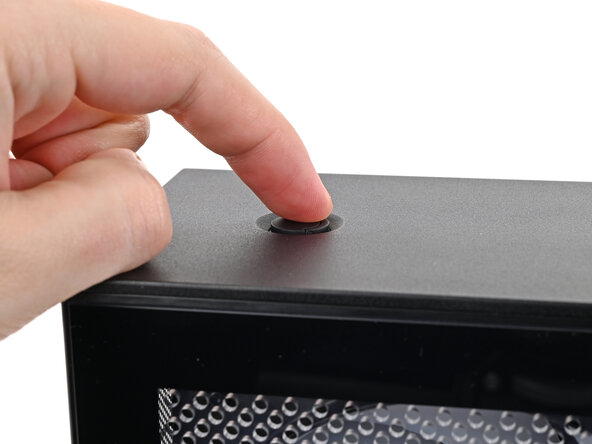
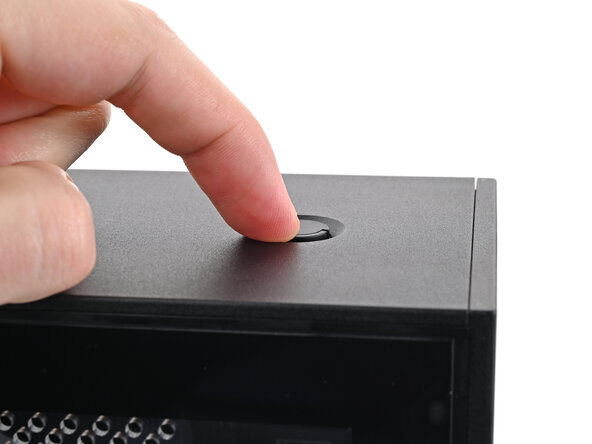
Use your finger to lift up the two D-rings on the Top Panel screws.
-
-
-
Slide the Top Panel towards the rear of the computer to release the clips securing it to the chassis.
-
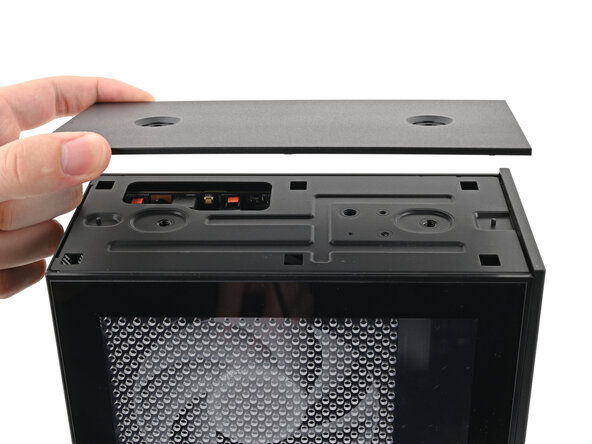
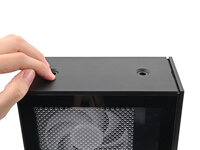
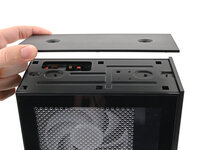
Lift the Top Panel off the chassis and remove it.
-
-
-
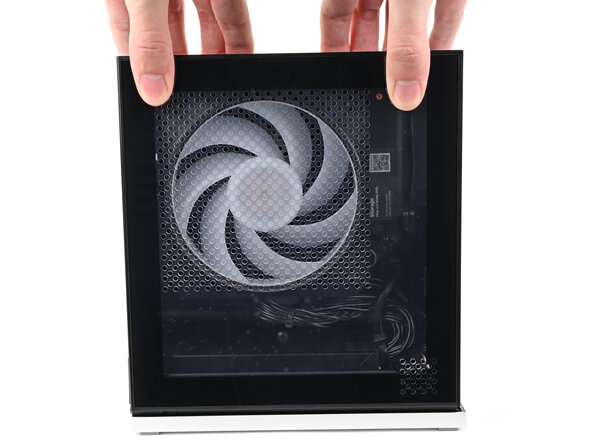
Use your fingers to grip the top of the Left Panel and slide it upward to release its clips.
-
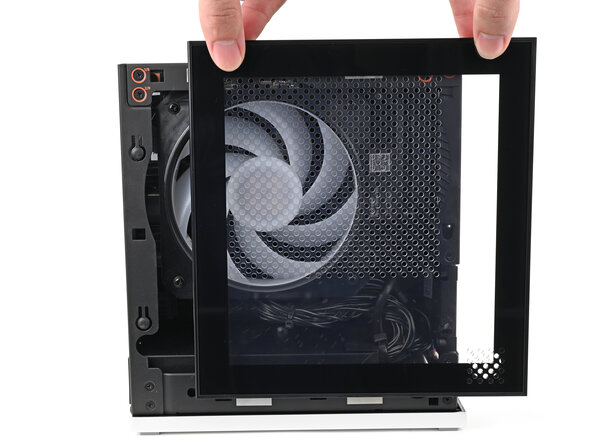
Remove the Left Panel.
-
-
-
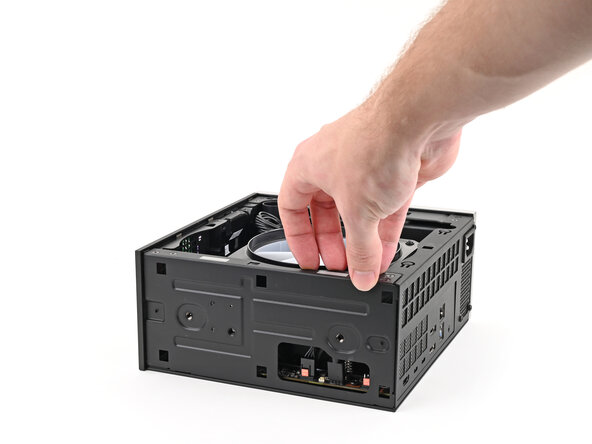
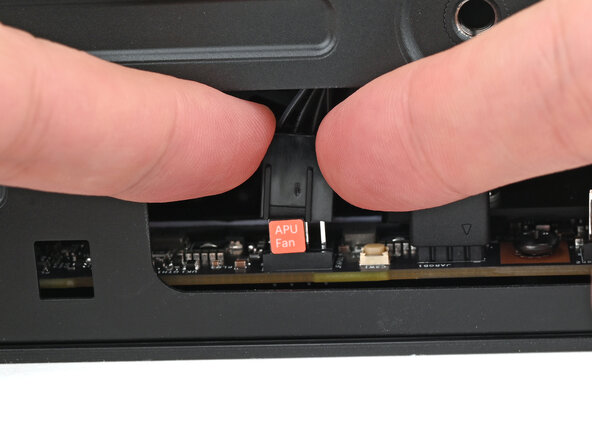
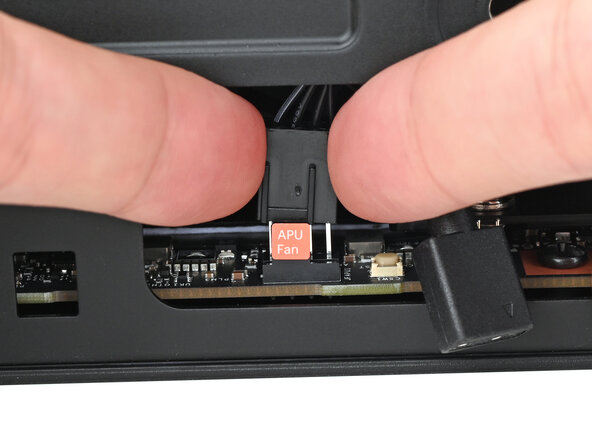
Use your fingers to lift the APU fan cable connector off its four‑pronged socket on the Mainboard.
-
-
-
Use your Framework Desktop Screwdriver to remove the four 27.3 mm‑long Phillips screws securing the CPU fan and fan duct.
-
-
-
-
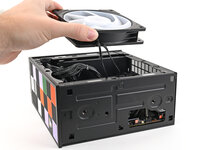
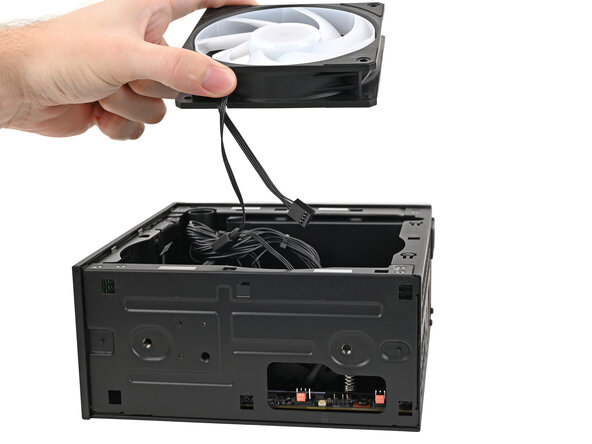
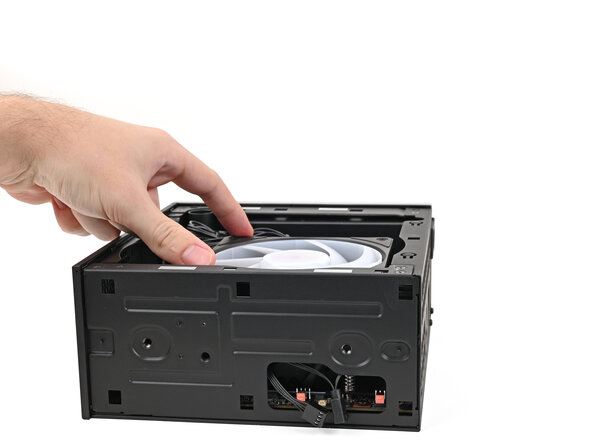
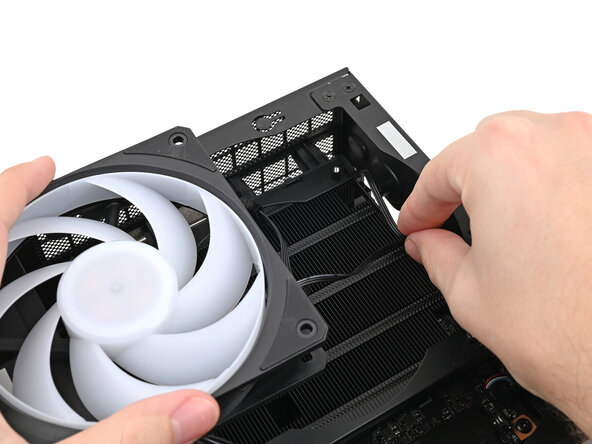
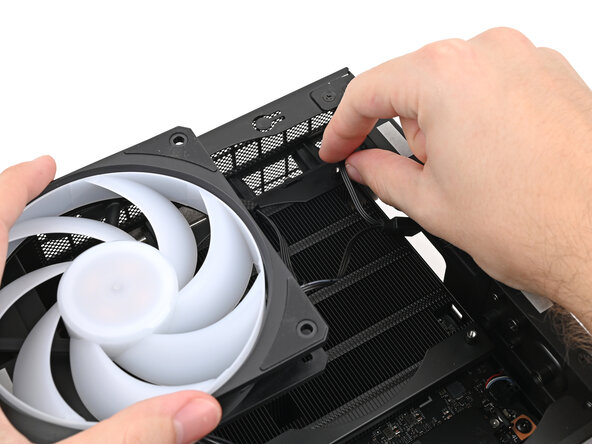
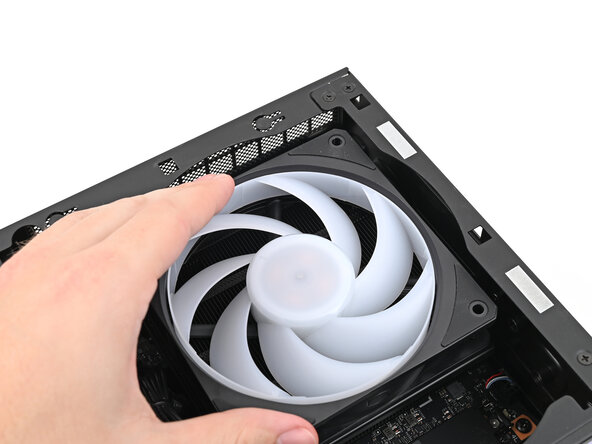
Lift the fan out of the chassis, making sure the cables thread through the side of the heatsink.
-
-
Step 14 Loosen the heatsink screws
Careful: steps 14-20 are sourced from a guide that's marked as in-progress.
-
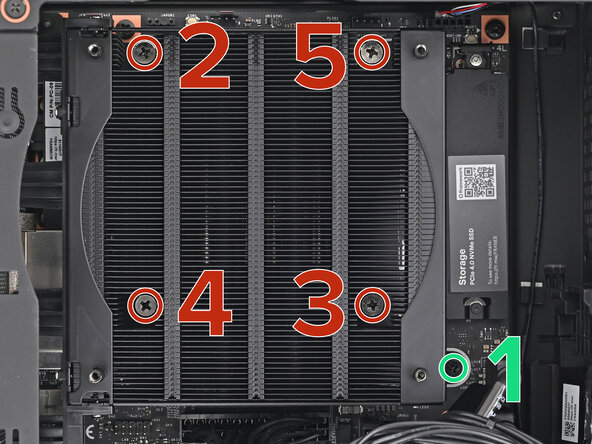
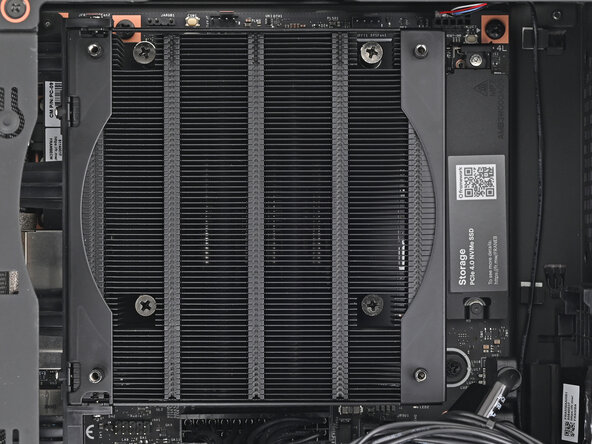
Use your Framework Desktop Screwdriver to loosen the final captive Phillips screw jutting out under the Primary Storage.
-
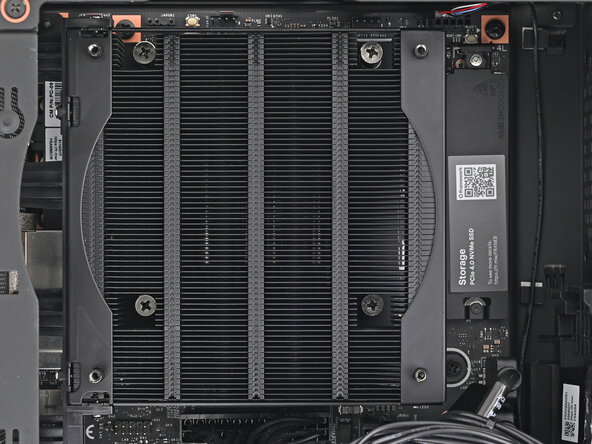
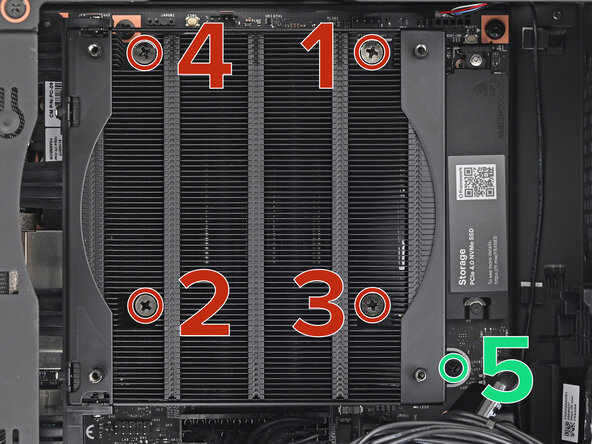
Use your Framework Desktop Screwdriver to loosen the four captive Phillips screws securing the heatsink in an "X" pattern starting with the top left screw.
-
-
-
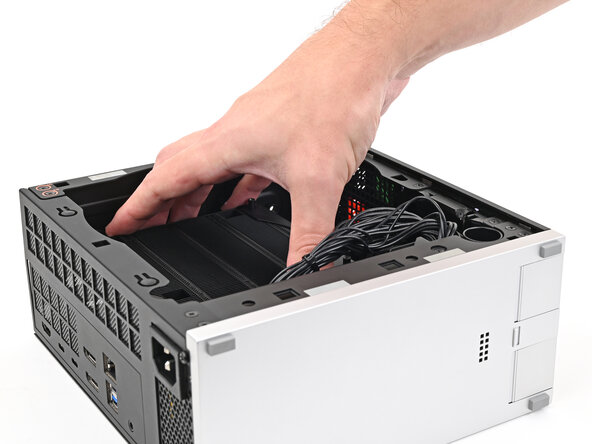
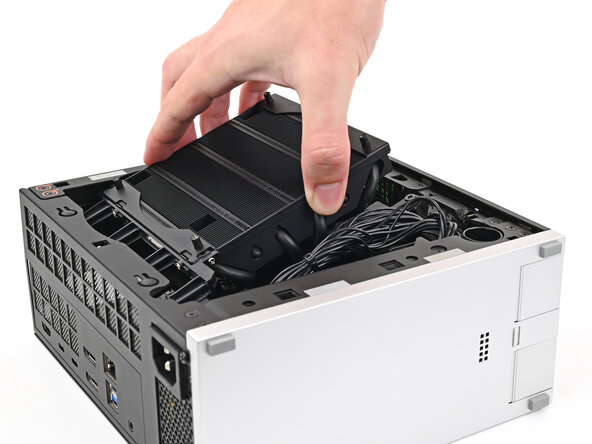
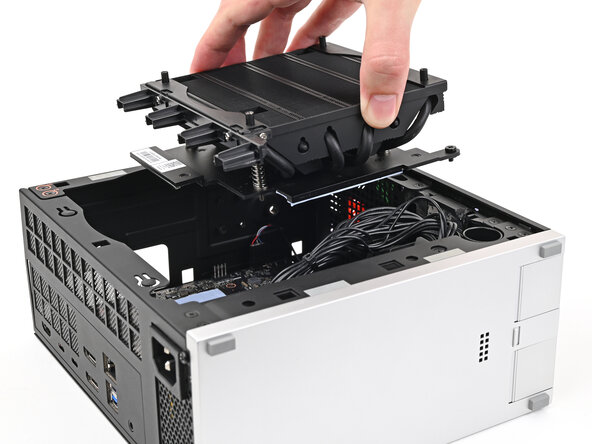
Lift the heatsink and tilt it up towards the front of the Desktop to navigate it out of the chassis.
-
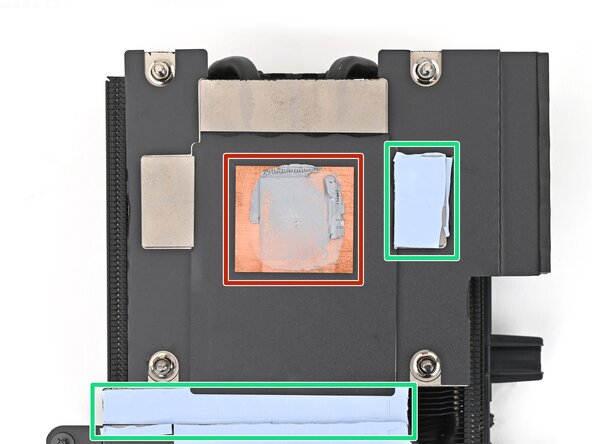
Remove the heatsink and rest it on your work area upside down to avoid damaging the thermal pads.
-
-
-
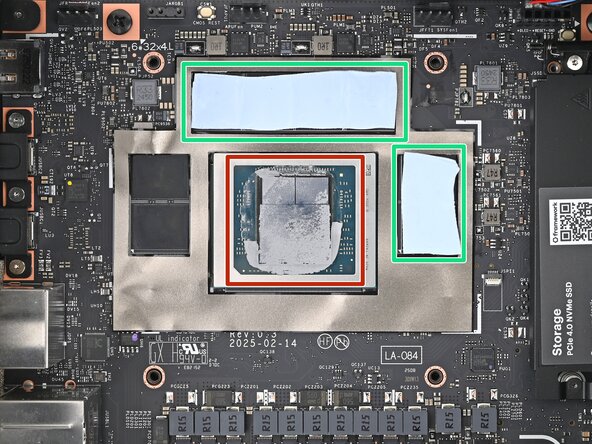
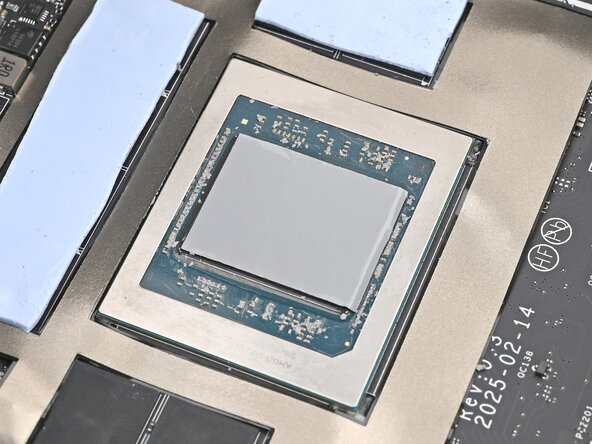
One thin, grey pad covering the back of the APU
-
Four thicker, blue pads covering the memory and power management
-
Follow the remaining steps to remove the thin thermal pad and replace it.
-
-
-
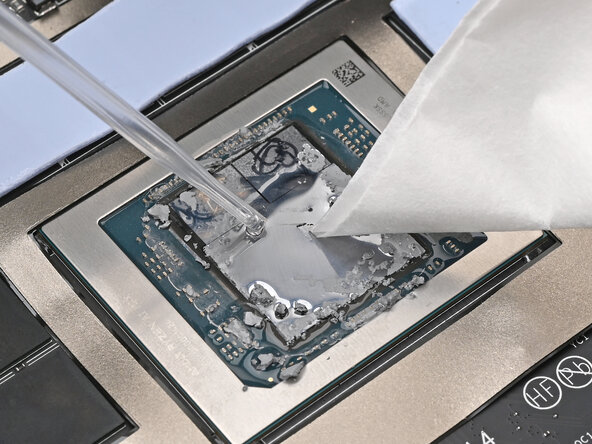
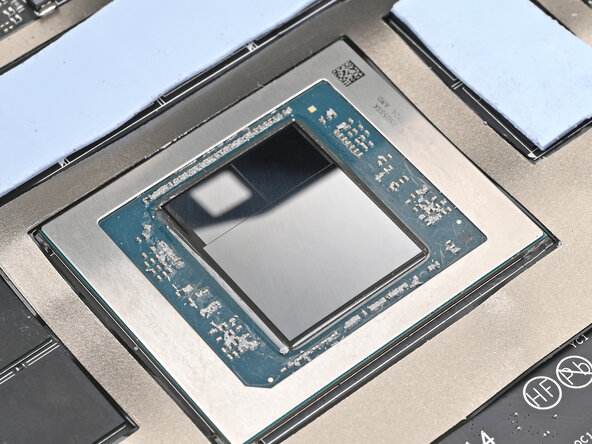
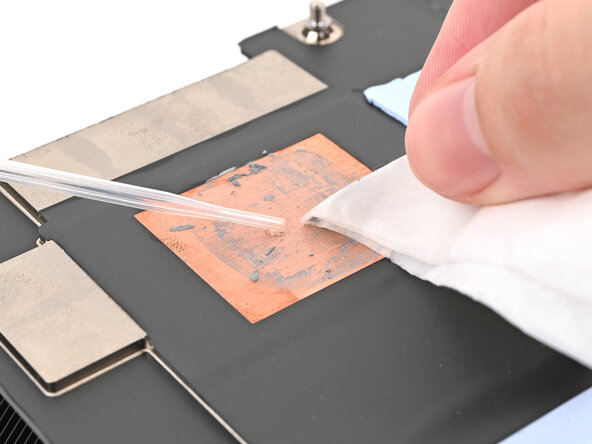
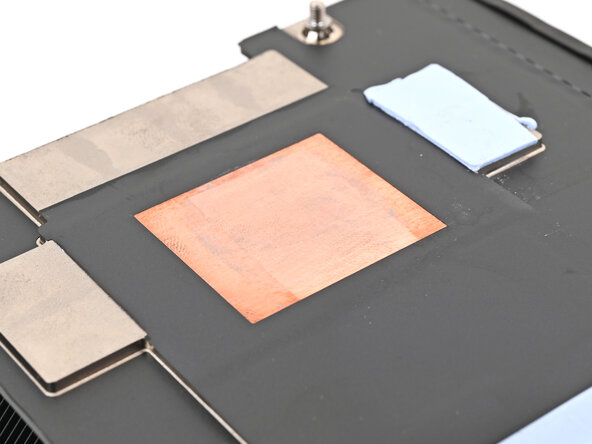
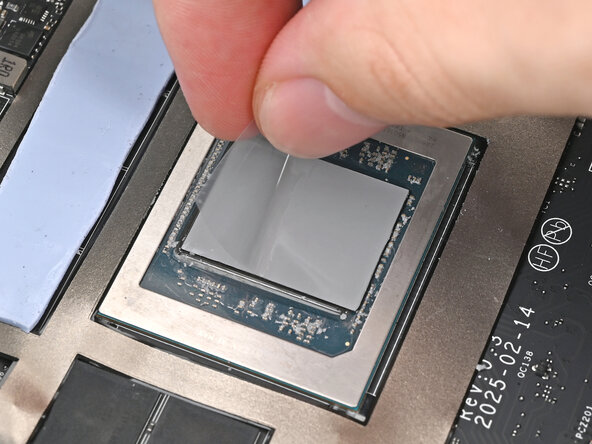
Apply a few drops of isopropyl alcohol (>90%) to the APU and use a coffee filter or a lint-free cloth to wipe away any residue.
-
-
-
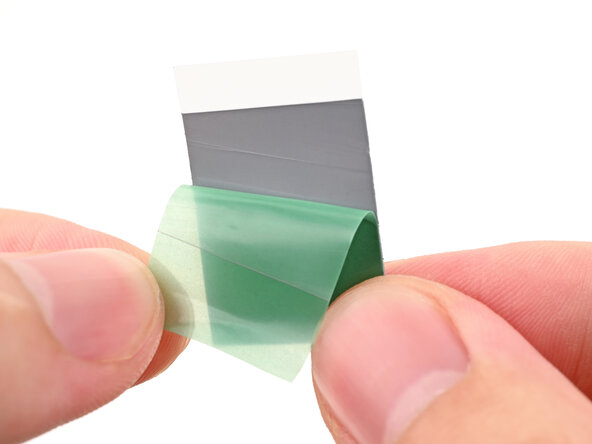
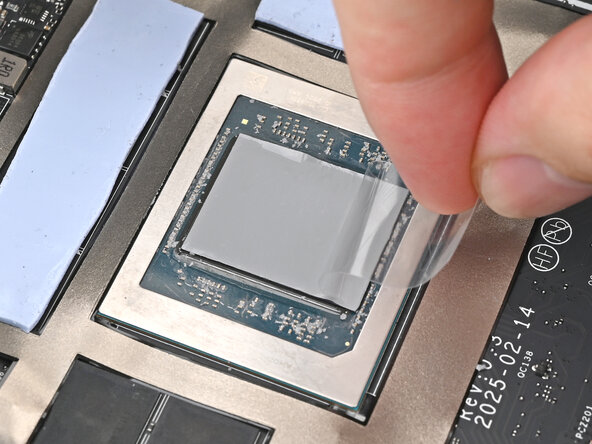
Remove the green liner from the replacement thermal pad to expose one side of it.
-
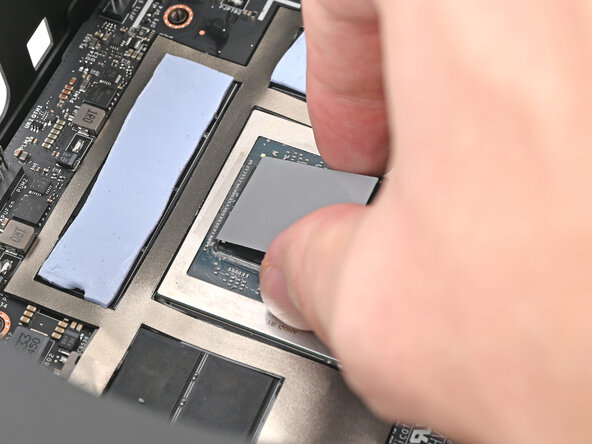
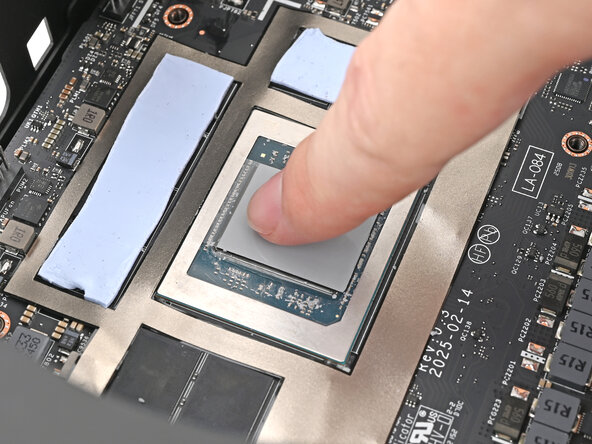
Place the exposed side of the thermal pad over the APU and press it into place.
-
-
Step 21 Place the heatsink
Careful: steps 21-22 are sourced from a guide that's marked as in-progress.
-
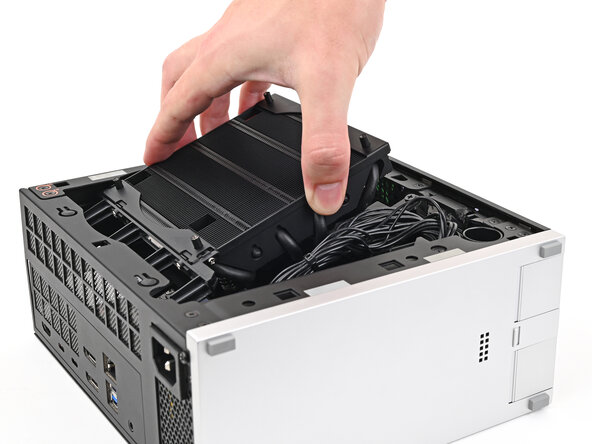
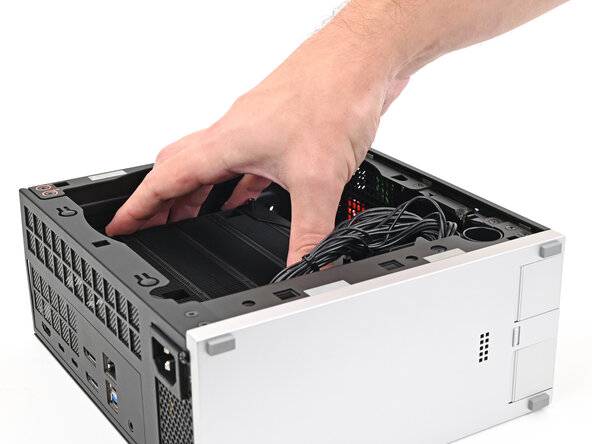
Tilt the heatsink down towards the rear of the Desktop and place it into its slot on the Mainboard.
-
-
-
Use your Framework Desktop Screwdriver to tighten the four captive Phillips screws securing the heatsink in an "X" pattern starting with the top right screw.
-
Use your Framework Desktop Screwdriver to tighten the captive Phillips screw jutting out under the Primary Storage.
-
-
-
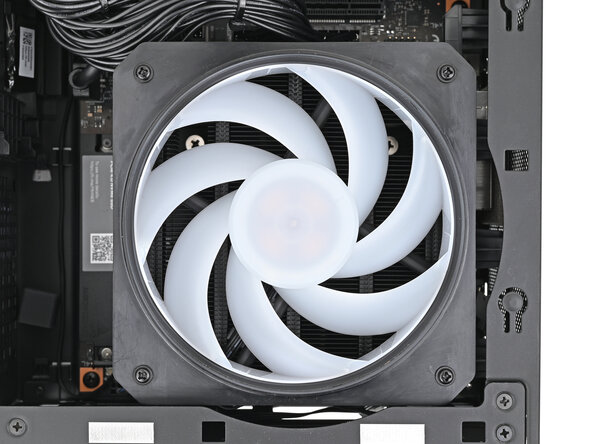
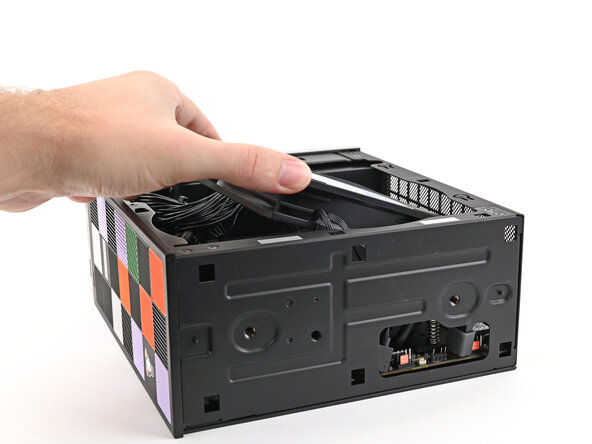
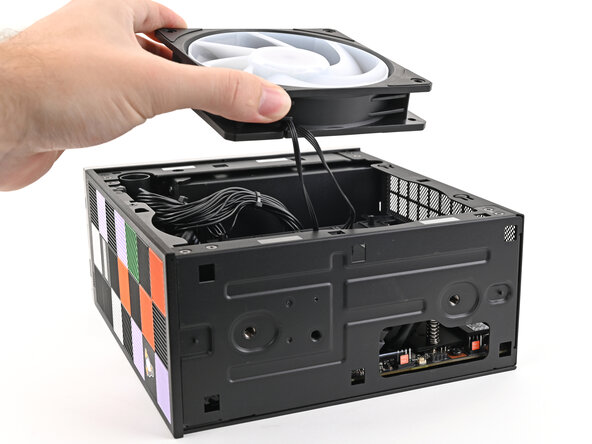
Orient the fan so its label is facing downward and the cable(s) is pointing towards the top of the computer.
-
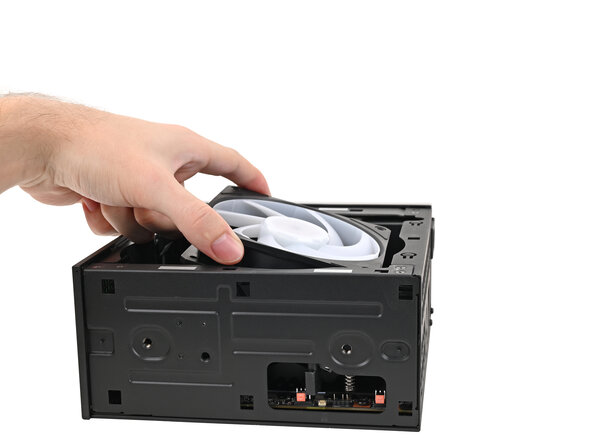
Lay the fan on top of the heatsink, making sure the cables are routed so they poke out of the hole on the top of the computer.
-
-
-
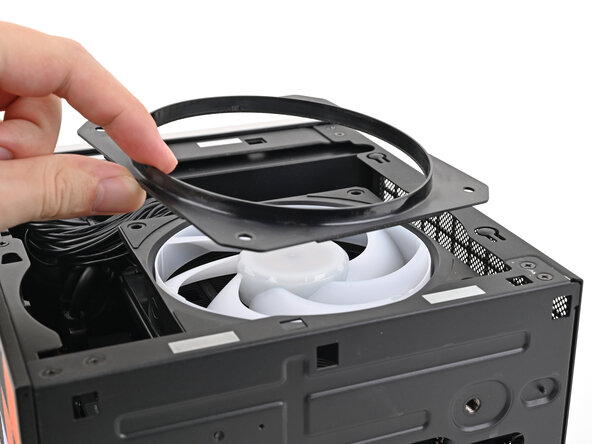
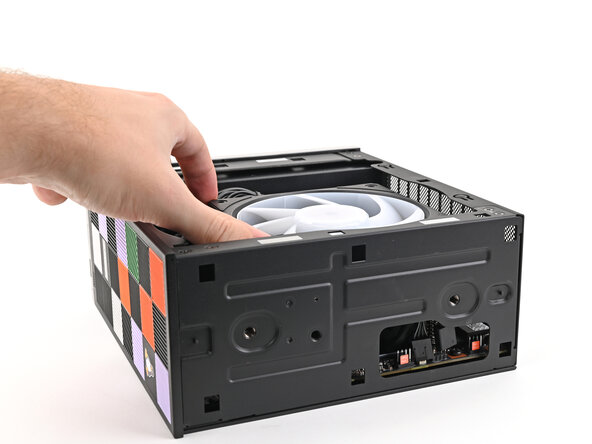
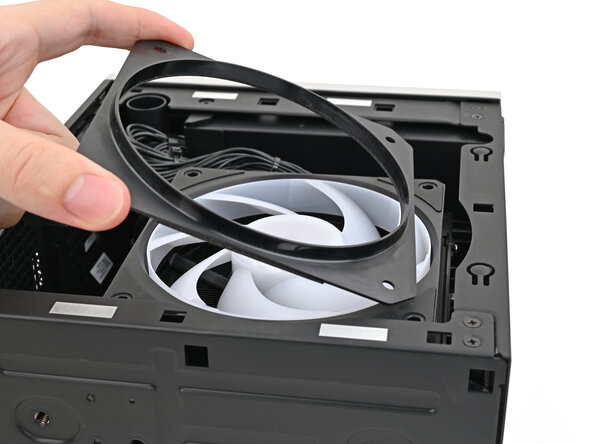
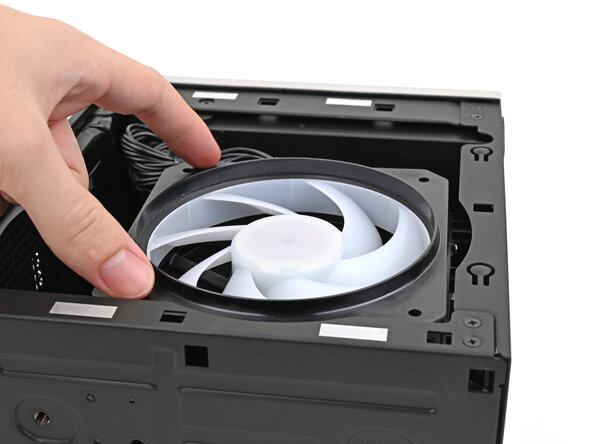
Lay the fan duct on top of the fan with the lip facing upward.
-
Align the screw holes on the fan duct with the ones on the fan.
-
-
-
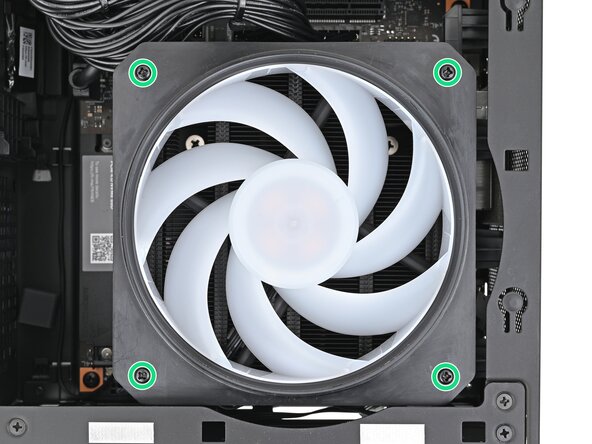
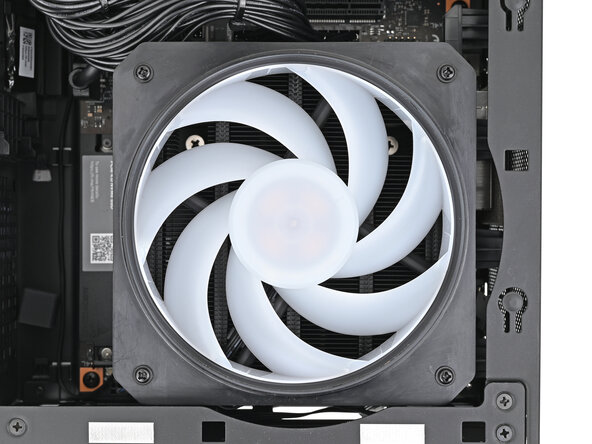
Use your Framework Desktop Screwdriver to install the four 27.3 mm‑long screws securing the fan and fan duct.
-
-
-
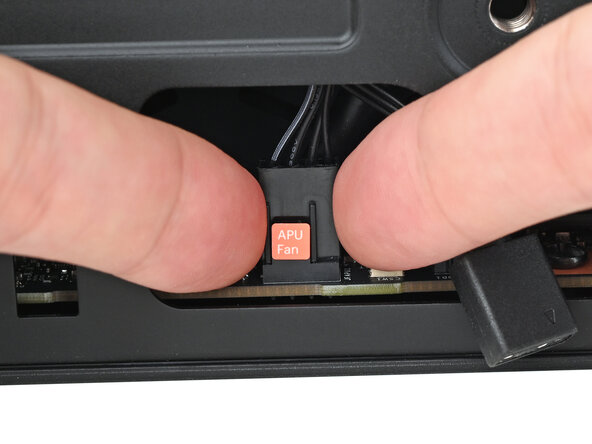
Orient the main fan cable so its two vertical lines are facing you.
-
Slide the main fan cable over the four-pronged connector labeled "APU Fan," making sure the orange label slots between the vertical lines.
-
-
-
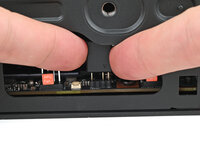
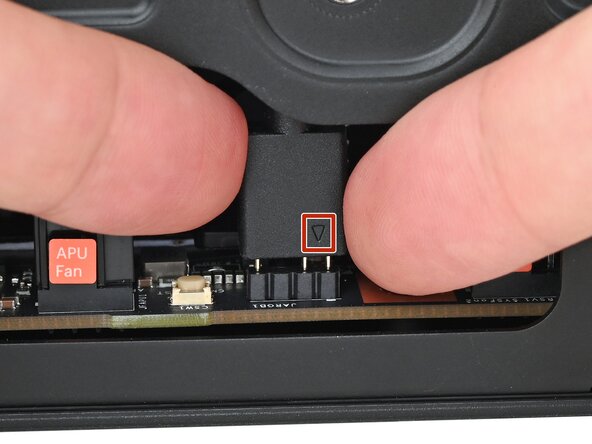
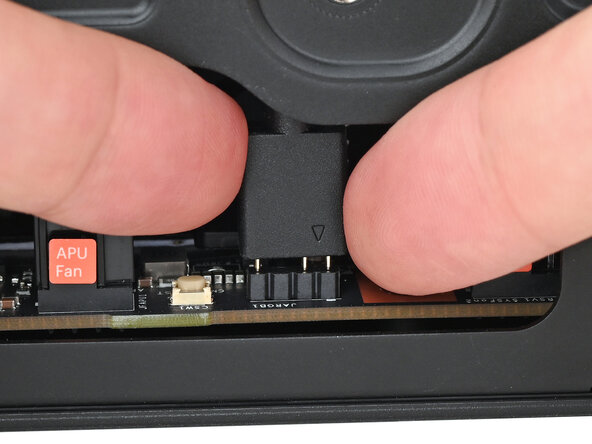
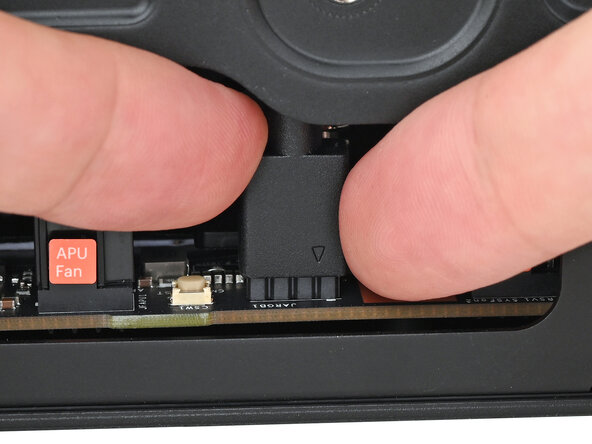
Orient the RGB cable so the arrow is on the right side of the connector.
-
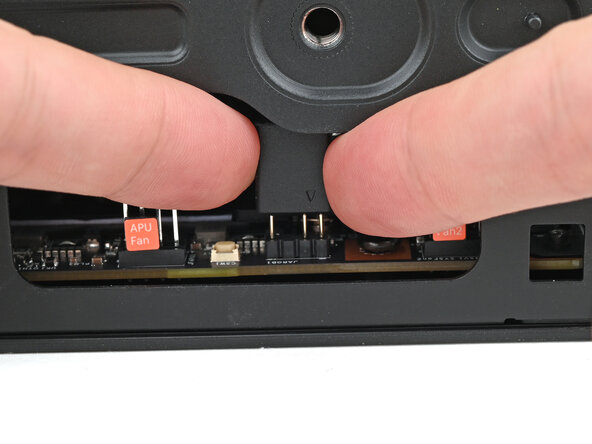
Use your fingers to slide the RGB cable over the three pronged connector located to the right of the "APU Fan" connector.
-
-
-
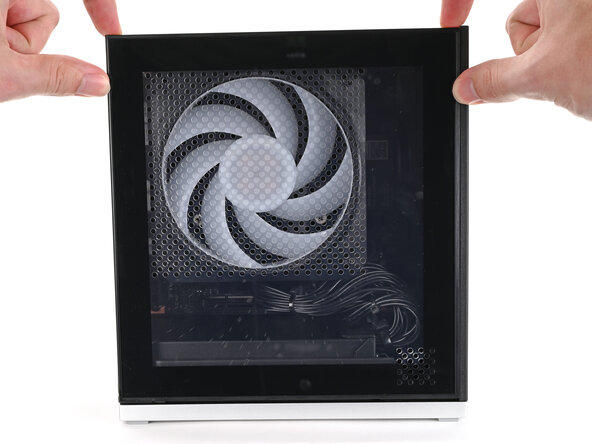
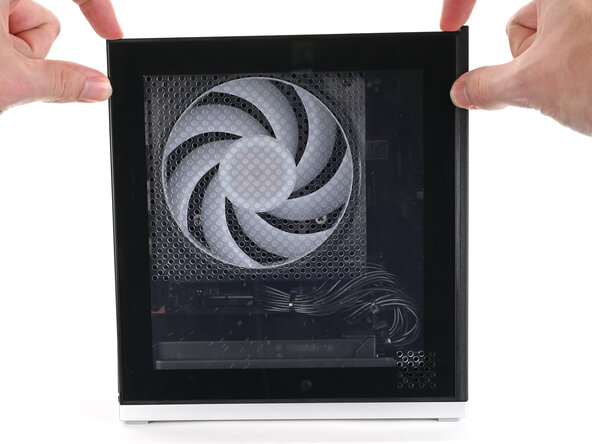
Slide the Left Panel onto the left edge of the chassis and press it flat to ensure its clips are slotted into place.
-
Push the Left Panel towards the base of the computer to close the gap and engage the clips.
-
-
-
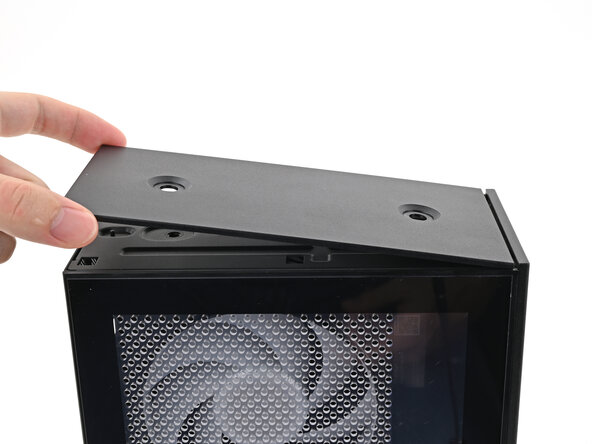
Orient the Top Panel so its arrow is pointing towards the rear of the computer.
-
While holding the Top Panel at a slight downward angle, slide it across the top of the chassis (from rear to front) until you feel its clips catch.
-
Lay the Top Panel flat on the chassis to align the remaining clips.
-
-
-
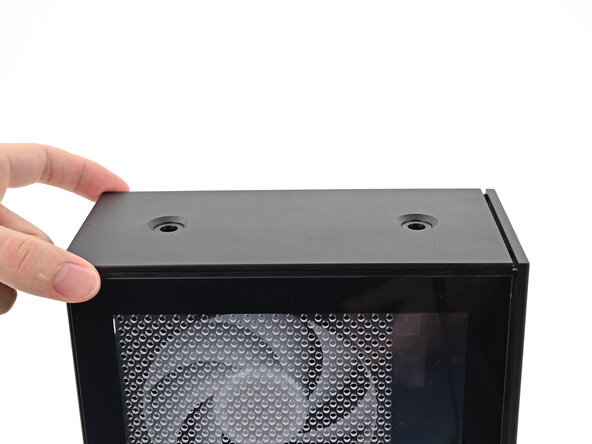
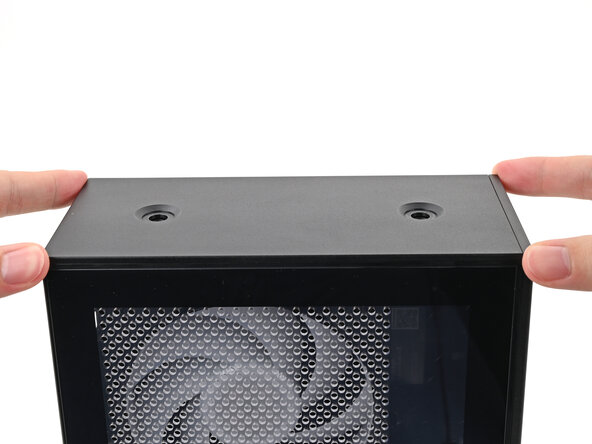
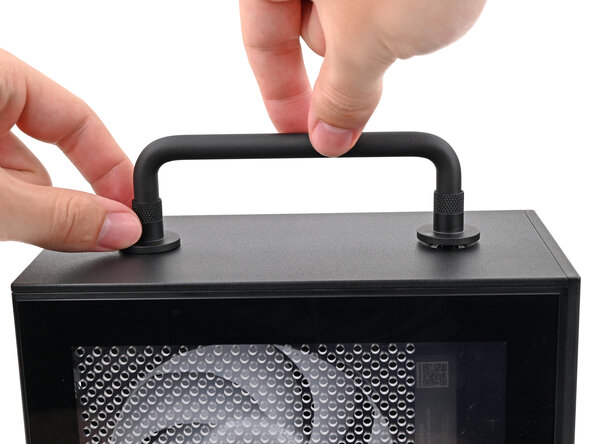
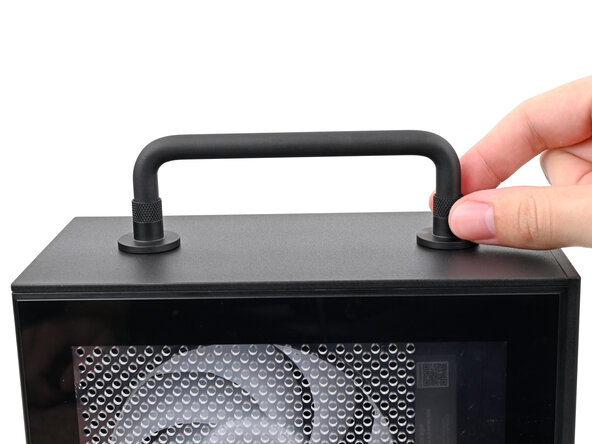
Place the Handle over the Top Panel screw holes.
-
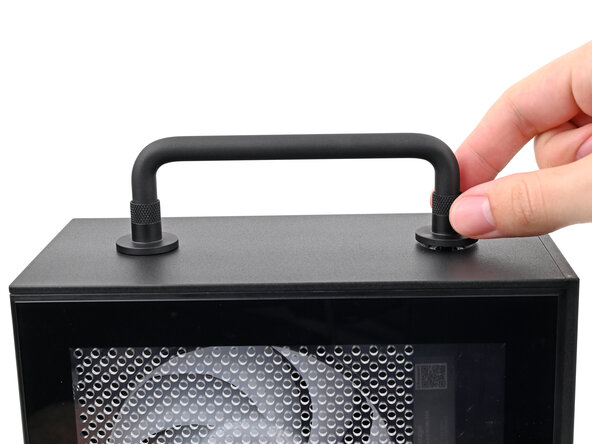
While holding the Handle in place, twist the screw threads on both sides clockwise until they're snug on the Top Panel.
-
-
-
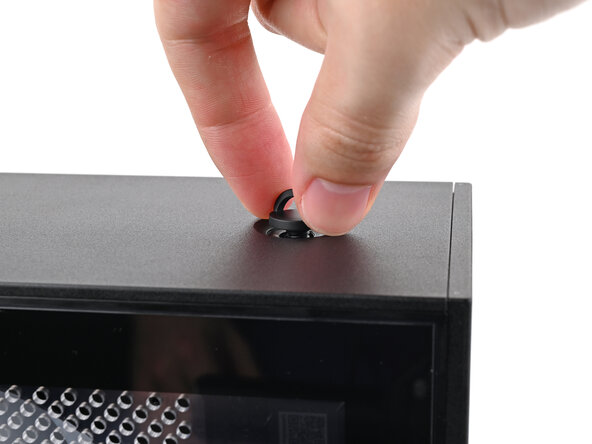
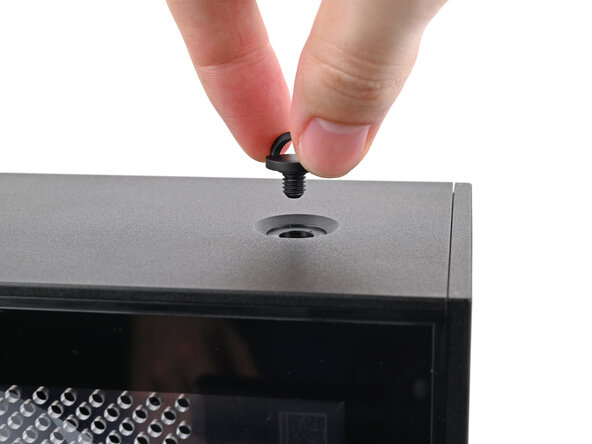
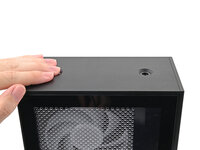
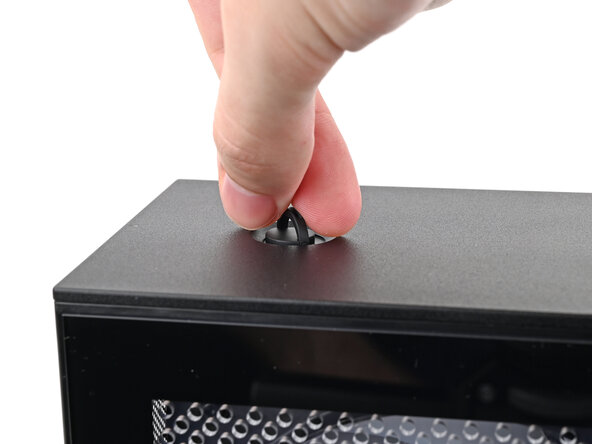
Insert the top panel screw into its hole and twist clockwise until it feels snug.
-

























































If you need help, contact Framework support.


