

|
1 Answer 0 Score |
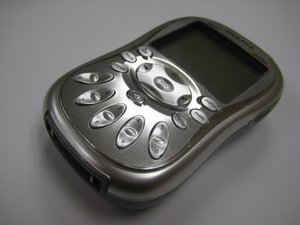
Repair Sirius TTR1 satellite radio |
|
1 Answer 0 Score |
Docking station works fine in one building, |
|
1 Answer 0 Score |
Why is freezing temperature causing Sirius to not work? |
Background and Identification
Satellite radio is a broadcasting-satellite service that broadcasts signals over much wider areas than terrestrial radio stations. Satellite radio service is principally meant for motor vehicle occupants. Satellite radio service is available by subscription and offers music, sports, news, and talk stations. In North America, satellite radio uses the 2.3 GHz S-band for national digital radio broadcasting. In Japan and South Korea respectively, MobaHO! and TU operated at 2.6 GHz, sharing a satellite as well as all underlying technologies, unlike XM and Sirius. On other continents, satellite radio uses the 1.4 GHz L-band.
In the 1990s, WorldSpace, Sirius Satellite Radio, and XM Satellite Radio were all founded in the United States as the three major satellite radio companies. Sirius and XM operated in the North American satellite radio market, while WorldSpace operated primarily in Africa and Asia. In 1999, the first satellite radio broadcasts occurred in the Middle East and Africa. The first U.S. satellite radio broadcasts were in 2001, while Japan and Canada had their first broadcasts in 2004 and 2005 respectively, with South Korea also first broadcasting in 2005. In 2008, Sirius and XM merged to form Sirius XM Satellite Radio. WorldSpace declared bankruptcy around the same time, and while the company itself survived, their satellite radio service was ended outside of India.
At the time of its bankruptcy, 90 percent of WorldSpace’s subscriber base was in India. Their Indian service, which operated for another year, shut down at the end of 2009. In addition, Japan's MobaHO! service also ended the same year, with South Korea's TU (a similar service on the same satellite, MBSat1) ending their services in 2012. This left the merged SiriusXM company as the final remaining satellite radio provider, operating both predecessors' platforms for the foreseeable future while also expanding the XM platform to be more versatile and reusing unused portions of the Sirius platform's allocated band for additional services. They have also been combining satellite radio technologies with cellular data services and Wi-Fi to further utilize modern technologies in newer equipment & provide even more reliable reception, as well access to streaming-exclusive channels, with an upgrade known as 360L.
Satellites positioned 22,236 miles above the equator receive signals from ground stations and transmit the signals down to receivers. Ground repeaters allow listeners to hear the same stations across countries like the United States. Automobiles can have built-in or portable satellite radio receivers. Satellite radio stations can also be accessed via the Internet, or portable receivers in the home or office. SiriusXM Satellite Radio had over 33 million subscribers as of November 2026.
Additional Information
- Wikipedia: Satellite Radio
- Wikipedia: XM Satellite Radio
- Wikipedia: Sirius XM