This translation was generated by a machine and has not been reviewed by a person yet. Speak this language? Review it.
Introduction
The personal computer (PC) is "any general-purpose computer whose size, capabilities, and price make it suitable for the needs of the individual" (wikipedia.org).
Today, there are different types and forms of PCs:
- desktop (also called a fixed computer);
- notebook (laptop);
- netbook (small-sized laptop);
- tablet (portable tablet without a keyboard);
- palmtop (handheld computer);
- etc…
From a functional perspective, every computer can be understood as a combination of: HardWare + SoftWare.
HardWare is the physical part of the device, i.e., the electronic components.
SoftWare is the virtual part of the device, that which cannot be touched (not even when the device is disassembled and broken down into its various parts). The programs that make a computer perform certain calculations under our command are SoftWare. A program is therefore a set of commands that tell the machine what to do (we can use the two words program and software as synonyms).
The parent program of all programs is: the Operating system is a set of SoftWare designed to run simultaneously and to allow the operation of a computer. The main purpose of the operating system is:
- to coordinate the operation of the HardWare;
- to interface the user with the machine.
The Operating system is the foundation for being able to start performing operations on a personal computer; it is a virtual architecture that enables communication between the human and the machine.
While there are a vast, uncountable number of SoftWare currently existing in the world, the Operating systems are few and are organized into families.
We choose to proceed with our work using the family called: LINUX (see the end of the guide).
What you need


 Ask FixBot





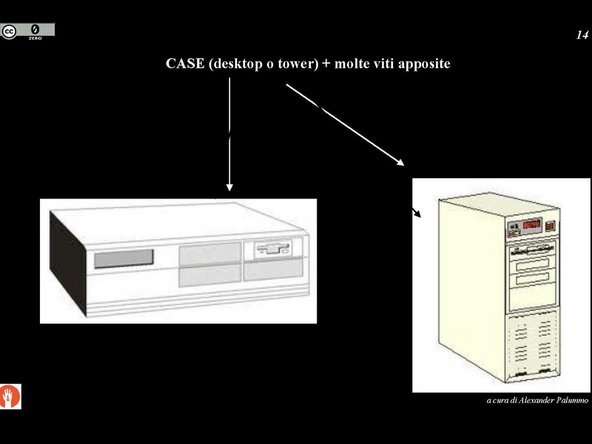


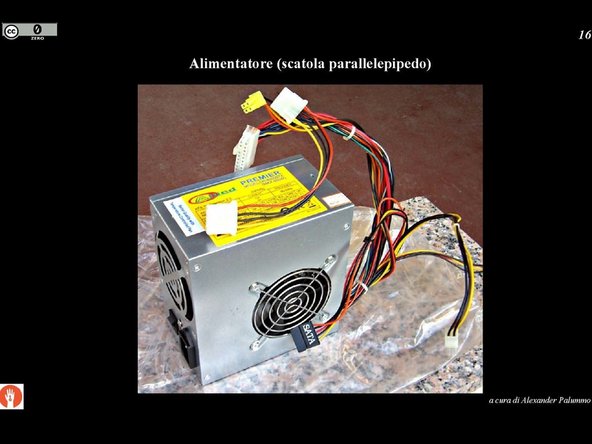
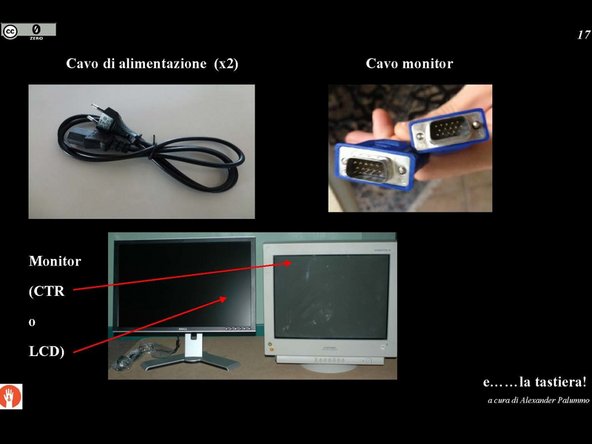





































Cancel: I did not complete this guide.
One other person completed this guide.

